| Name | Lucinda Rowe |
|---|---|
| Phone | 5405707884 |
| Email hidden; Javascript is required. | |
| Name of Work | Late Summer Life on Tinker Creek |
| Please upload a JPG of your COMPLETED work. | 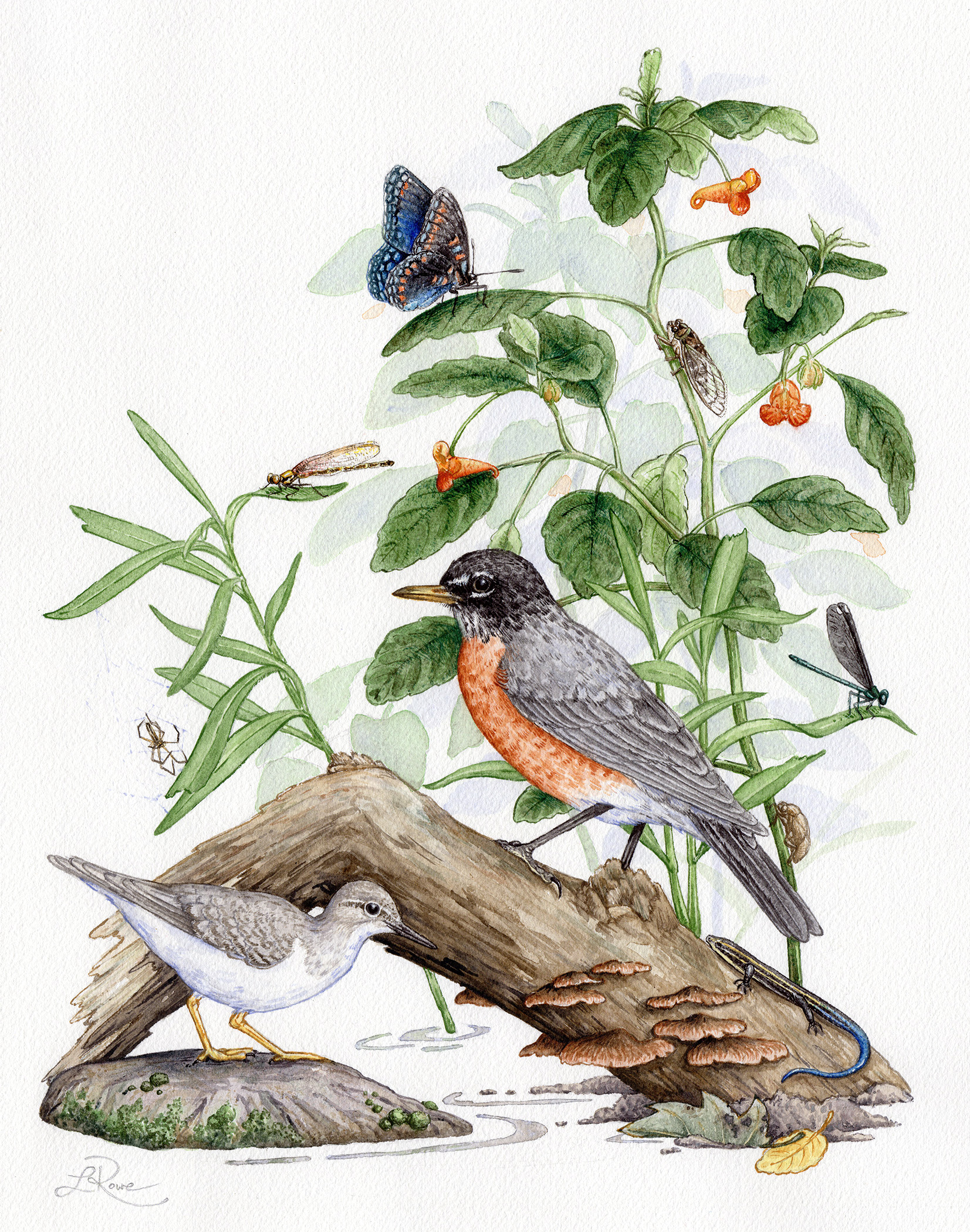 |
| We’ve already asked you for an artist’s image. We’ll use that unless you upload a new one here. | 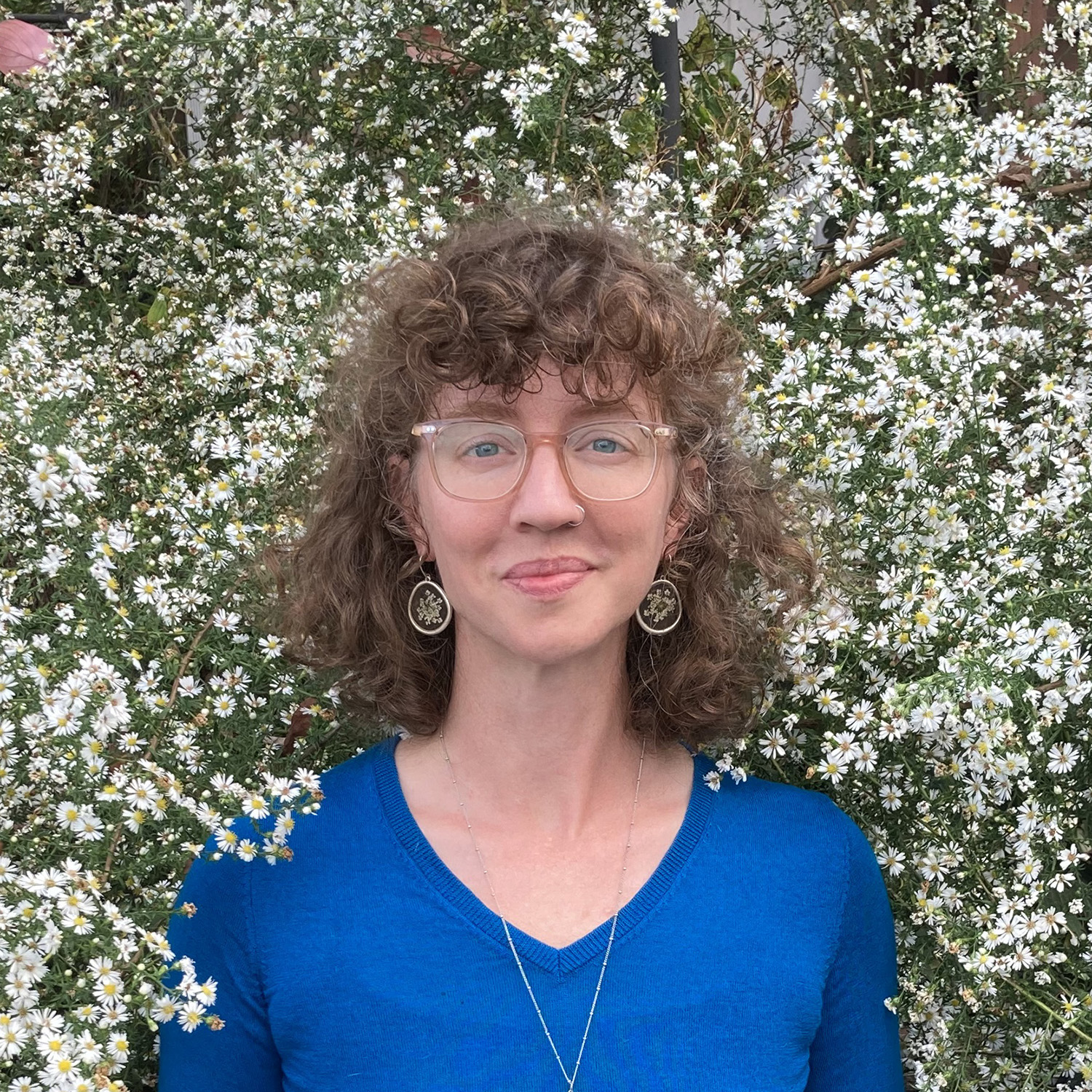 |
| Describe the completed work, including media, size and presentation format. (All art forms are accepted for this call, but there must be a physical representation of the work ready for display. Most often this is a framed and ready-to-hang two dimensional image.) | This is a watercolor painting featuring a medley of life observed at Tinker Creek – Spotted Sandpiper, American Robin, Five-lined Skink, Eastern Scissors Grinder Cicada, Ebony Jewelwing, American Rubyspot, American Water-willow, Red-spotted Purple, Common Jewelweed, Stretch spider, and an unknown bracket fungus. The painting measures approximately 11×14″ and is framed, at approximately 16×20″, and is ready to hang. |
| Please reflect on how your contemplative practice informed or helped shape the work. | I knew from day one that to make this painting what it needed to be, I would need to spend quality time sketching, journaling, and observing on location at Tinker Creek. I visited different locations of the creek three times and sat at each spot with my journal, letting life happen around me. I sketched many iterations of what this painting could be based on what I saw – my first sketches included mallards and a kingfisher – before I became inspired by the blooming jewelweed along the dam at Mason Mill Park. I sat on the dam thinking and sketching (and trying to identify the many insects around me) before I finally landed on an idea that felt right for the experience. |
| Please reflect on how your deeper exploration of nature informed or helped shape the work. | I enjoy having parameters around my work, such as making sure all the critters I paint naturally exist in a location, so I very much enjoyed sitting at Tinker Creek and observing and taking notes on all the life around me that I hoped to include within this painting. Many species I knew – mallards, jewelweed, Yellow-crowned Night Herons – but many I did not. I used the iNaturalist app to help me identify them. I love knowing what I am painting, so including specific, observed species, instead of species I presumed might be present, made this painting reflect the real experience of sitting and being present at Tinker Creek. |
| Please reflect on how your engagement with the text of PILGRIM AT TINKER CREEK informed or helped shape the work. | I finished reading the book in the early stages when I was sketching and thinking. One of my favorite moments was when Dillard talked about trying to see muskrats and that she realized she had to fade into nature so that the muskrat forgot she existed. While I did not sit for hours like Dillard, I did find that sitting still (one day on a rock in the creek, another day on the dam) allowed me to notice more life and activity than I had on previous visits. This is certainly partly because I was trying to observe, but I like to imagine another part of it is that I began to blend into the background and the damselflies and mallards forgot to worry about me. |
| What questions has this work prompted you to explore next? | I really enjoyed adding so many critters into this painting. I had begun to populate my paintings with more than the main subject within the past couple years, however this was the first one where I added so much. I am excited to keep exploring this avenue. |
| What did you learn in the process? | I learned so many new species! Ebony Jewelwing, Powdered Dancer, American Rubyspot, American Water-willow, stretch spiders … the list goes on. |
| This is an original work and I have identified all technology used in the creation of this work in the description of my process above. My typed name stands for my signature. | Lucinda Rowe |
•
•